In one ending, Nell’s brother comes to the last screening. In another, the lights go down on the empty seat beside her. Both versions can finish the same short story. The difference is which question the last paragraph answers.
To end a short story, decide what the reader needs to see change. A decision, an action or a newly understood detail can give the scene its shape. Then decide what the reader can work out from there. The four endings below start with the same cinema scene and stop at different points, leaving different things for the reader to imagine.
Contents
The shared cinema scene
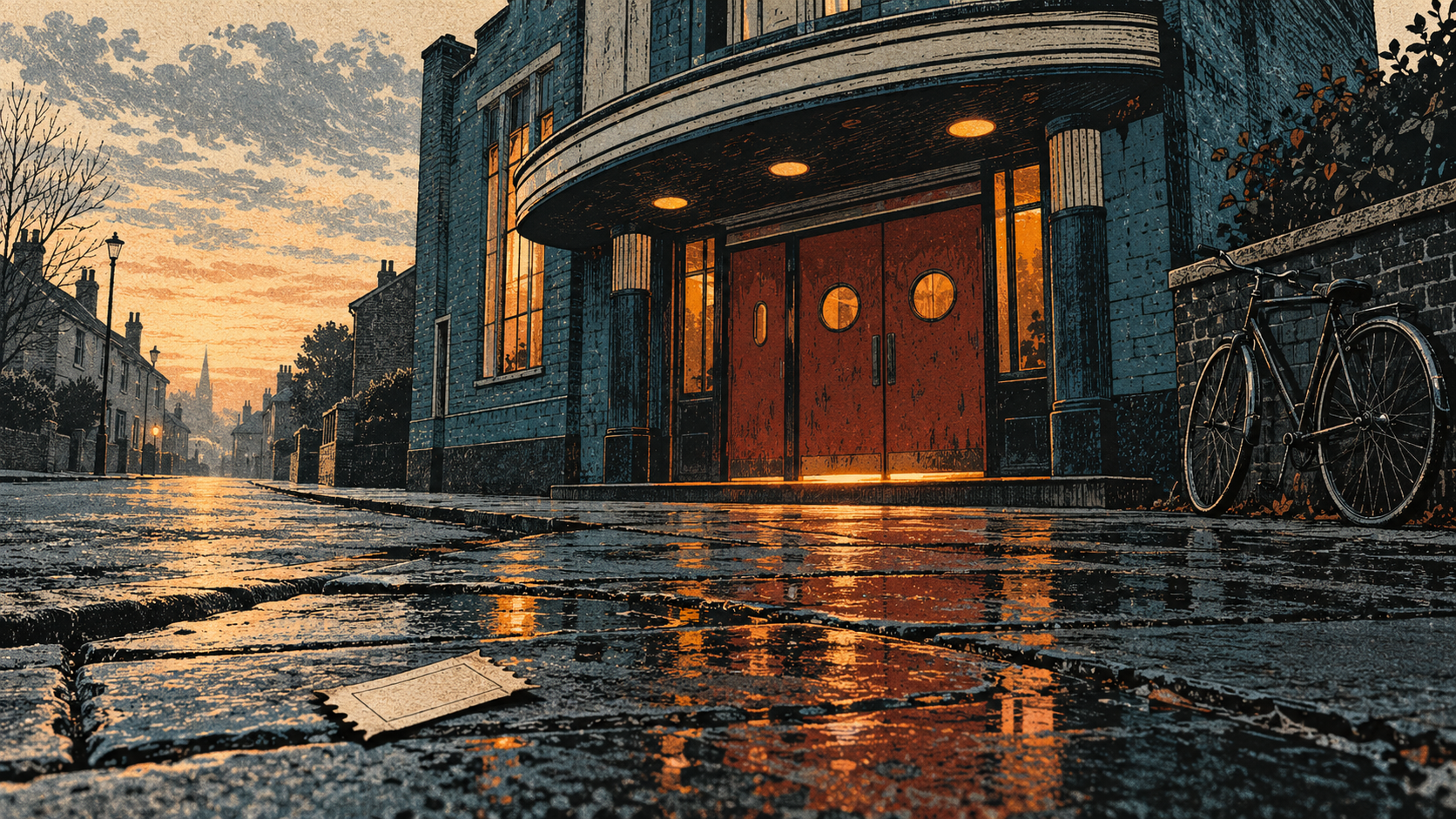
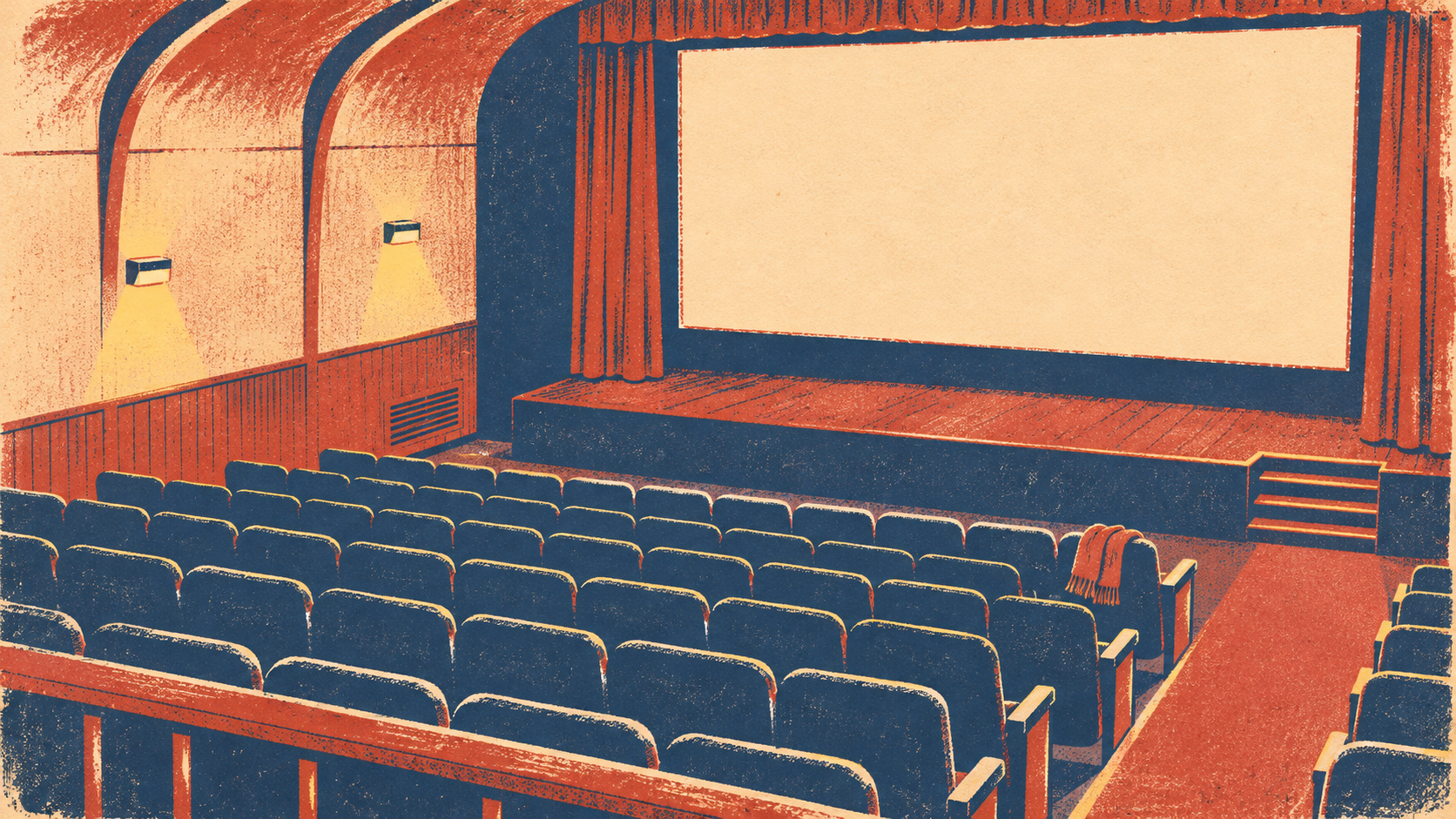
Nell is running the final screening at the small cinema where she and her brother, Kit, used to spend Saturdays. They fell out over the sale of the building. She has put a ticket aside for him and has just enough time to decide what to do with it.
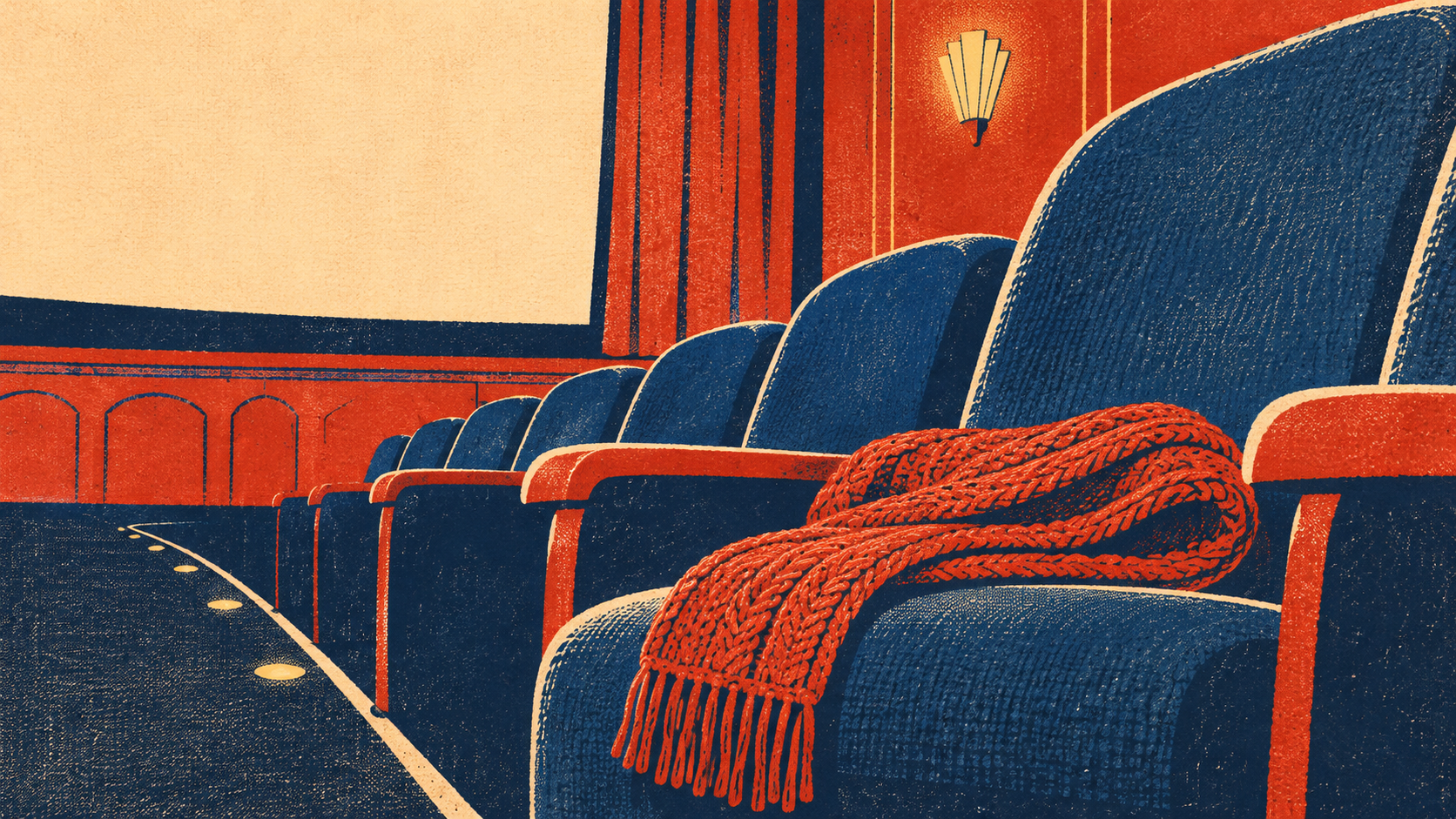
Nell laid her red scarf across the seat beside hers. It was the one Kit always chose, nearest the aisle, where he could stretch his bad knee. When they were children, he’d saved her place with a coat, a packet of crisps, once an entire shoe.
The audience drifted in. When Nell went back to the foyer, the volunteer at the desk held up the spare ticket. ‘Shall I sell this if somebody asks?’
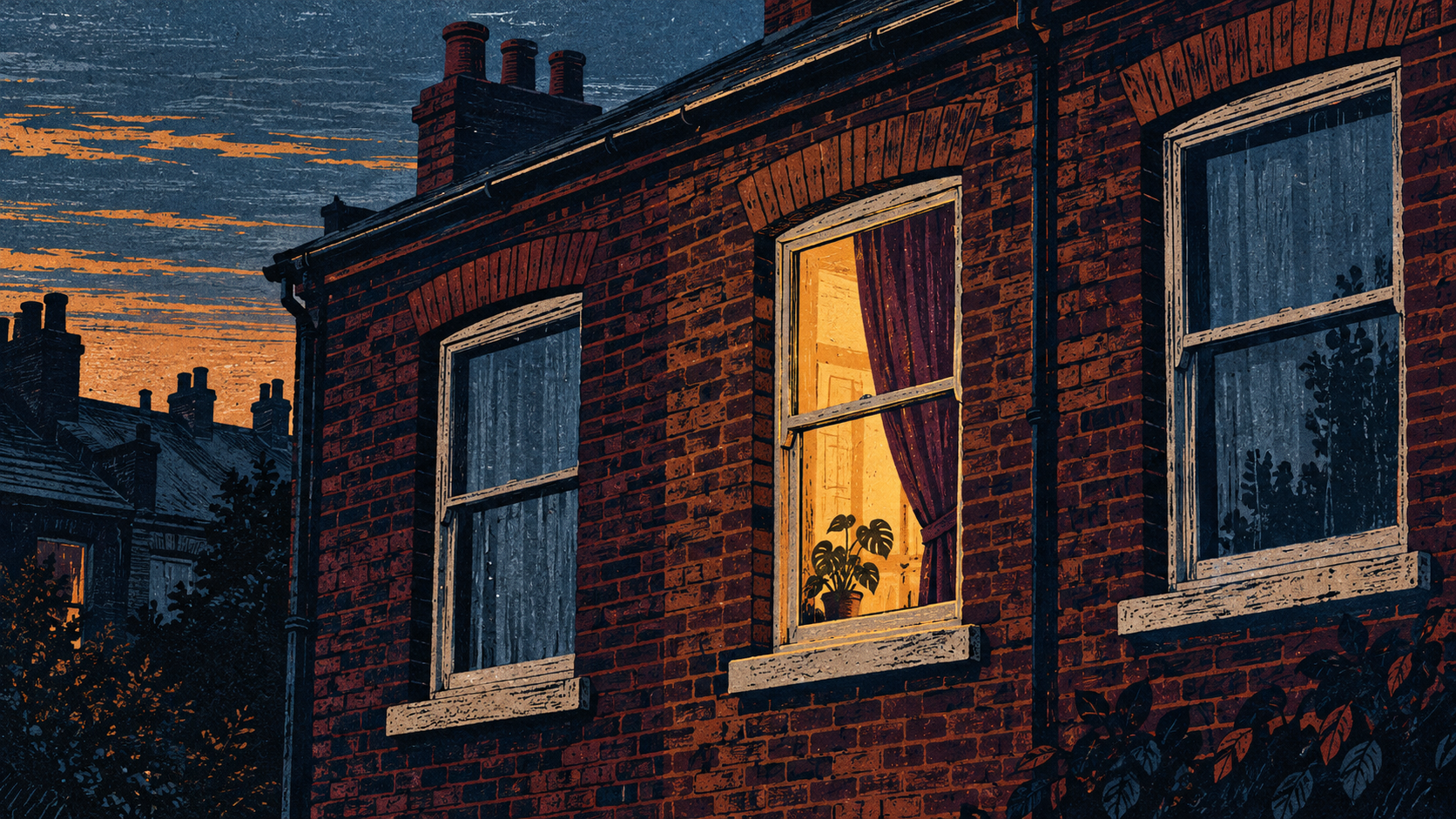
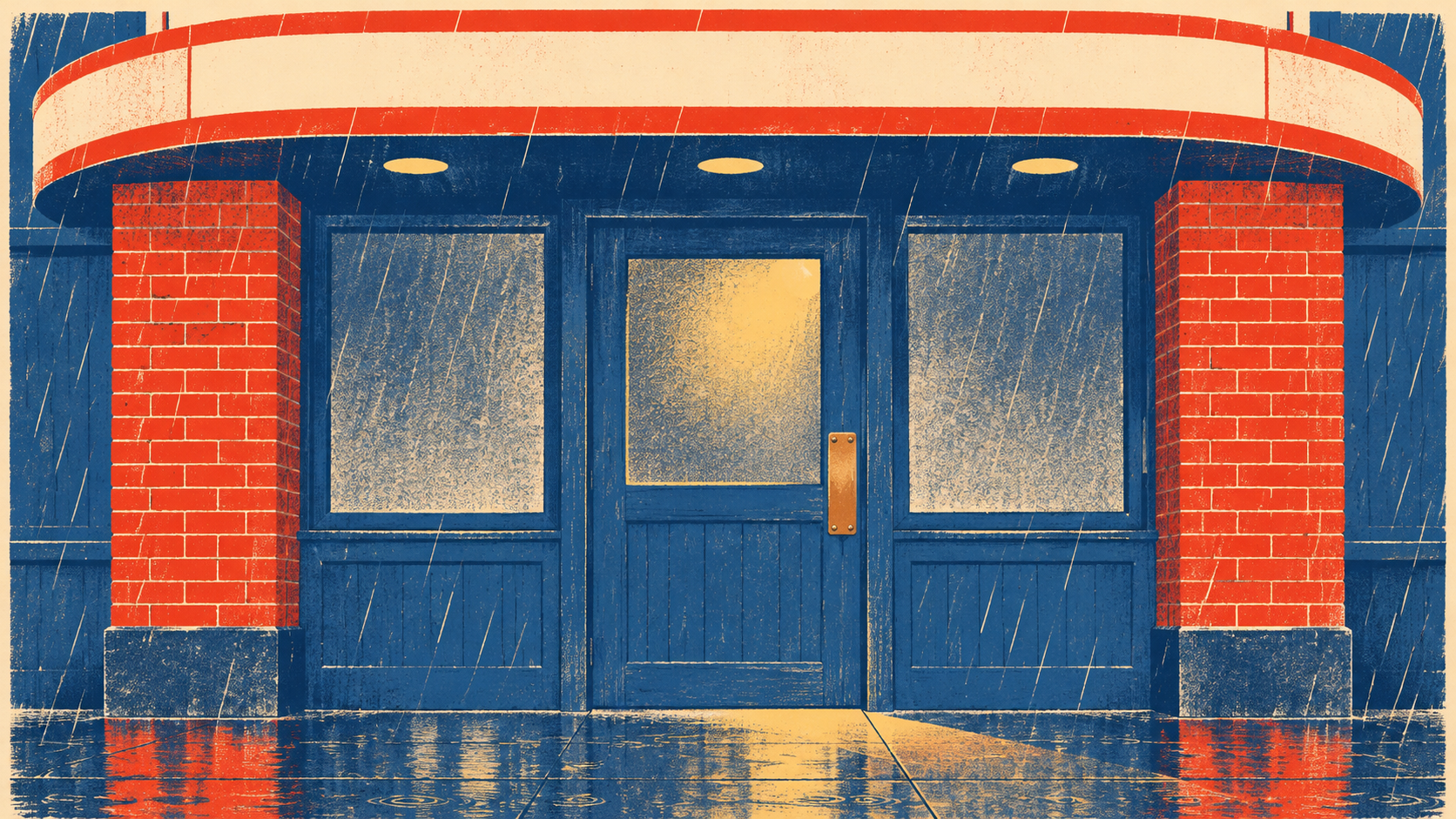
‘Give me a minute.’ Nell checked her phone. The message she’d sent Kit that morning still said delivered. In the foyer, the entrance had begun to fog around its brass plate. She watched the glass for the shape of a shoulder.
It was nearly time to dim the lights.
There’s a practical question here. Will Nell keep the ticket for Kit? There’s also a question about the relationship. What will either of them risk to sit together again? Each version below begins where the scene stops. Watch how the same ticket, scarf and empty seat can do different work once an ending picks a question to answer.
1. A resolved ending gives us the next action
The entrance stuck, as it always did in the rain. Someone leaned on it with a shoulder. Kit came through sideways, wiping his glasses on the hem of his shirt.
‘I’m here for the late show,’ he said.
‘Good. I’ve kept your seat.’ Nell took the ticket from the volunteer and waited while Kit read the row number. Then she went ahead to move her scarf.
Kit arrives, Nell offers him the seat and the immediate question closes. His joke-sized understatement gives them both something ordinary to say in an awkward moment. Moving the scarf is a small physical action that makes room for him. The history of the sale can stay offstage. We’ve seen enough to know how they’ll spend the next hour.
A resolved ending can be painful, too. If Kit arrived and Nell had already sold his ticket, the same scene could finish with a clear refusal. Resolution describes what the reader can determine about the conflict. The emotional temperature comes from the decision and what it costs.
2. An open ending lets the consequence lie ahead
‘Hold it,’ Nell told the volunteer. ‘If he comes late, just show him in.’
She took her seat. The lights faded, and the first pale flicker reached as far as the scarf. Twice during the opening credits she heard footsteps in the aisle. On the third occasion she kept her eyes on the screen and lifted the scarf into her lap.
Nell makes her decision in the foyer. We can stop before Kit appears because the choice she controls is complete. The third set of footsteps keeps his arrival possible. The scarf moves before Nell knows whose footsteps they are, and that makes the gesture hers. The reader can picture either person walking past or Kit sitting down.
Imagine stopping one beat earlier, with Nell still saying ‘Give me a minute.’ That would leave us waiting for the first decision the scene set up. An open ending feels deliberate when the reader can name the uncertainty and point to an action that has already changed the situation. If a test reader mainly asks, ‘What just happened?’, check whether you’ve given them a clear view of that action.
If you’re trying two endings for a piece of your own, WriteCraft Pro includes creative writing exercises and personalised feedback you can use as you revise.
3. An echo gives an early detail a different job
Nell watched the volunteer shut the ticket drawer. The film had started. She took the scarf off the empty seat and looped it round her own neck.
On the screen, a boy set a chair out on a pavement. Kit used to stretch his leg across the aisle and pretend every film was about the two of them. Nell shifted into his seat. From there she could see all the way down the row.
The scarf starts as a way of keeping a place. By putting it on and sitting in Kit’s seat, Nell stops waiting and spends the screening close to a shared memory. The final view along the row gives that change somewhere to land. A repeated object can carry the earlier scene with it, especially when somebody handles it differently the second time.
The film image is an extra echo. Try reading the passage without the boy and his chair. The scarf and the move into Kit’s seat can carry the ending alone. Testing how much an echo needs is often a more useful edit than reaching for a second symbol and hoping the two will add up.
4. A reveal changes what the earlier scene means
For this version, add one line to the opening while Nell checks her phone: There was a second message further down, from the volunteer, saying Kit had called about the seats. On a first reading, that can sound like a question about availability.
‘I’d better see whether there’s a buyer,’ the volunteer said.
‘Wait. What did Kit want when he rang?’
‘The two seats by the aisle. He paid for them yesterday. One for you, he said. If he missed the start, I was to let somebody else have his.’
Nell took the ticket and sent him a second message. I’m in our row.
We read Nell’s vigil differently once we learn Kit bought both seats. He’d already made a gesture towards her before she sent the invitation. His attendance can stay uncertain. The fresh information is that both of them have been trying to make room for the other.
A short story can end perfectly well without a twist. If you use a reveal, give the reader a detail they can remember and reinterpret. Here the earlier phone call makes sense before and after the last exchange. A hidden payment introduced in the final paragraph with no trace in the scene would make it much harder for a reader to see the connection.
Listen to what Nell says after the reveal. She could send Why didn’t you tell me? and put the argument back on the table. I’m in our row keeps the invitation open and lets the familiar place stand for a shared history. You can test a reveal by writing the next line twice. The character’s response will tell you whether the discovery has actually changed the scene.
What will the reader know when the lights go down?
Same scene: Nell has kept the seat beside hers for Kit.
He arrives
His arrival settles the immediate question. The argument can wait.
Someone is coming down the aisle
Nell has kept the place. The reader can imagine whose footsteps she hears.
She takes his seat
The scarf stops being a reservation. Wearing it, Nell watches from Kit’s usual spot.
He booked both places
The call about the seats turns out to be an invitation.
Prepare the ending earlier in your scene
Take the last paragraph of a draft and underline the action, object or piece of knowledge you want the reader to carry away. Then go back through the scene and find the first place it could have a job of its own.
- Name the change in plain words. ‘She makes room for him anyway’ is specific enough to write towards. ‘She understands everything’ still needs a visible action or discovery.
- Plant one usable detail. Nell’s scarf saves a seat, so it belongs in the opening even before we know it will return. An apparently ordinary phone message can do the same work for a reveal.
- Write two final paragraphs. In the first, show what follows the character’s choice. In the second, stop just after the choice. Compare what a reader can infer from each version.
- Ask a reader two questions. What changed? What are you still wondering? If their first answer matches the action and their second names the uncertainty you intended, the scene is probably doing its work.
Try the exercise on a draft of your own, then use the short story editing checklist to see whether your change needs a small adjustment elsewhere. A planted detail can be as short as the mention of a phone call. It earns its place twice if it helps the scene make sense before the ending gives it a second meaning.
Try a rough version of the echo using an object that already belongs to your character. If the only reason it appears early is to give the final paragraph something pretty to look at, give it a practical purpose first. Let someone borrow it, put it aside or lose it. A detail the reader has seen in use is easier to recognise when it comes back.
Where to stop
Read the scene aloud and stop at the first line where the new situation is clear. Then try reading one sentence further. If the extra sentence changes how we see the decision, keep it. If it explains what the reader has just seen, try cutting it. In the resolved version, we can leave Nell on her way to move the scarf. We already know what she’ll do when she reaches the seat.
Writing a second ending can show you what the first one was trying to say. If you’d like more practice making those decisions on the page, WriteCraft Pro gives you exercises and personalised feedback to work with as you revise.