A comma is a wonderfully manageable problem. You can move it, remove it and feel that something has been achieved. Meanwhile, the character may still have no reason to enter the room. Editing your own short story becomes easier when you give each reading a particular job.
Use this short story editing checklist in passes: establish the story's purpose and character choices, test the scenes, check viewpoint and dialogue, then refine sentences and proofread. Below, we apply that order to one original passage, with specific edits you can try on your own work. Keep a copy of your draft so every experiment is reversible.
Contents
- Choose what this revision should achieve
- Follow an order of work
- Read the original passage
- Strengthen purpose and character choices
- Check scene movement and pacing
- Keep viewpoint deliberate
- Give dialogue something to do
- Revise sentences and details
- Use the short story editing checklist
- Proofread and choose a stopping point
Choose what this revision should achieve
Read the complete story once with your hands away from the keyboard. Afterwards, write a provisional sentence describing its central movement: a caretaker decides whether to let a stranger into a closed cinema; a daughter discovers why her father kept every ticket. Your sentence can change as you understand the draft.
For a quiet or experimental story, describe the movement of attention, atmosphere or understanding. A character can remain stubbornly unchanged while the reader sees that stubbornness differently. This gives you something specific to test without demanding a dramatic transformation from every story.
Make two notes: what you want to preserve, and what currently feels unresolved. Perhaps the setting is vivid, but the final exchange arrives before the relationship has earned it. Choose that relationship as your next task. A revision session with a clear question has an achievable end.
Follow an order of work
Start with decisions that affect the largest amount of writing. Once you know which scenes belong, their sentences deserve close attention. The diagram offers a useful route through a draft; you can loop back whenever a smaller edit reveals a larger question.
FROM THE WHOLE STORY TO THE LAST WORD
Bring the draft into focus
01 / Story
What is the reader following? What changes, deepens or becomes clear?
↓ Choose the movement to preserve
02 / Scenes
Give the important moments room. Check choices, consequences and the order of events.
↓ Find the passages that carry it
03 / Sentences
Follow the chosen viewpoint. Tune dialogue, detail, rhythm and clarity.
↓ Read the settled version closely
04 / Proof
Check spelling, punctuation, continuity and the submission instructions.
A new discovery can send you back up the sequence. Save versions so you can compare the effect.
Read the original passage
This invented first draft gives us a complete encounter to examine. Read it for the situation before looking for faults. Its useful materials include an atmospheric setting, an unwanted visitor and an object with emotional value.
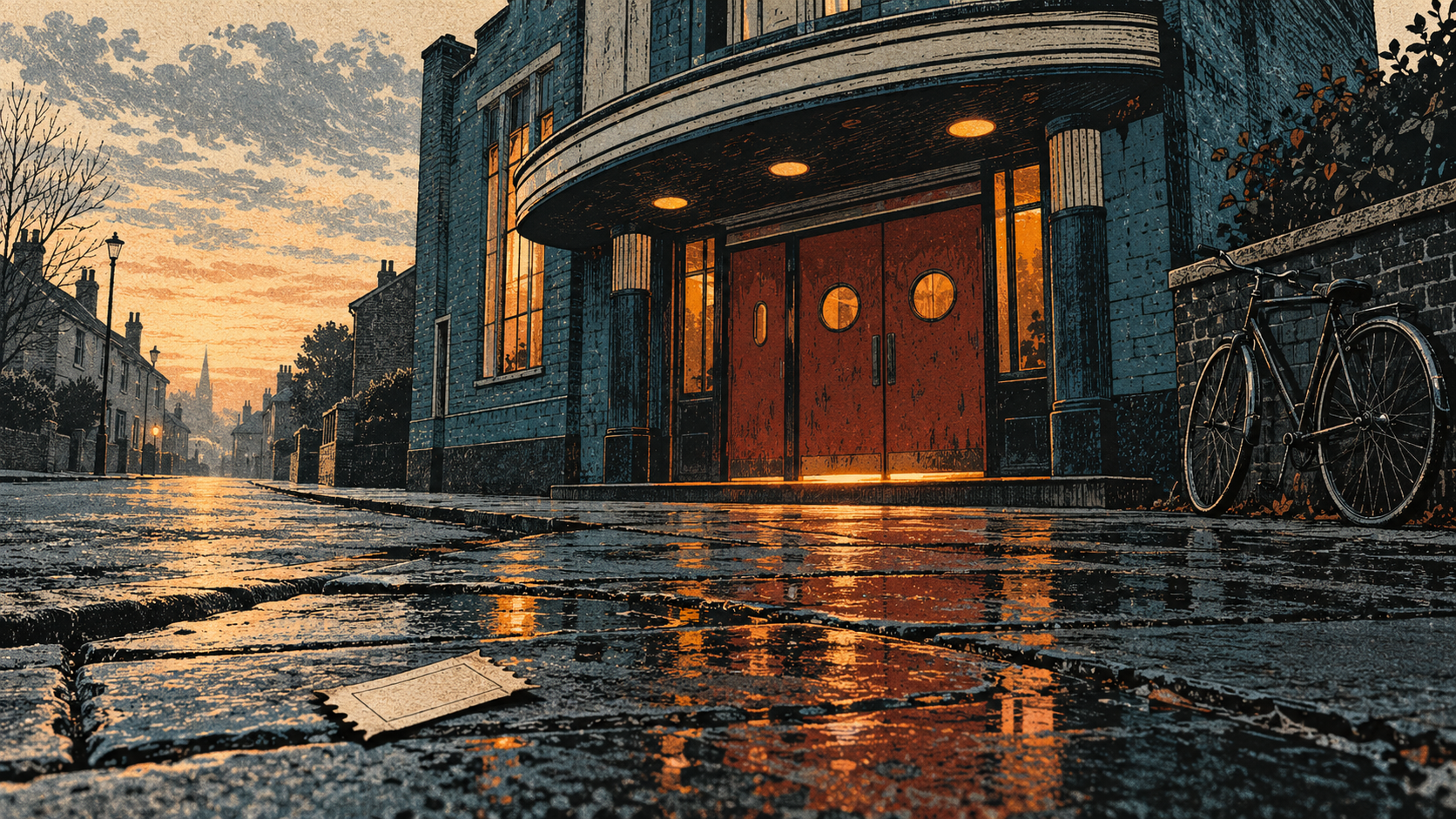
At half past nine, when the cinema had been closed for three weeks, Nell was standing in the foyer thinking about how much she missed her father. Rain was falling outside. The carpet was red and the walls were covered in photographs of actors who had been famous a long time ago. She had come to collect his things before the new owner arrived at ten.
There was a knock on the door. Nell walked across the foyer and opened it. A boy in a wet school blazer stood on the step, holding a cardboard box. He was worried that she would send him away because he had stolen something, although Nell did not know that yet.
“Are you the person in charge?” he asked nervously.
“My father was,” Nell replied sadly. “He died last month, which is why the cinema is closed. I'm here to collect his things.”
“I'm sorry about that,” the boy said. “I have brought these back.” He held out the box. Inside were old tickets, hundreds of them, their colours faded. Nell felt a feeling of surprise. Her father had kept tickets from the first night of every film he showed. She remembered him explaining that an empty seat was still a seat someone might choose tomorrow.
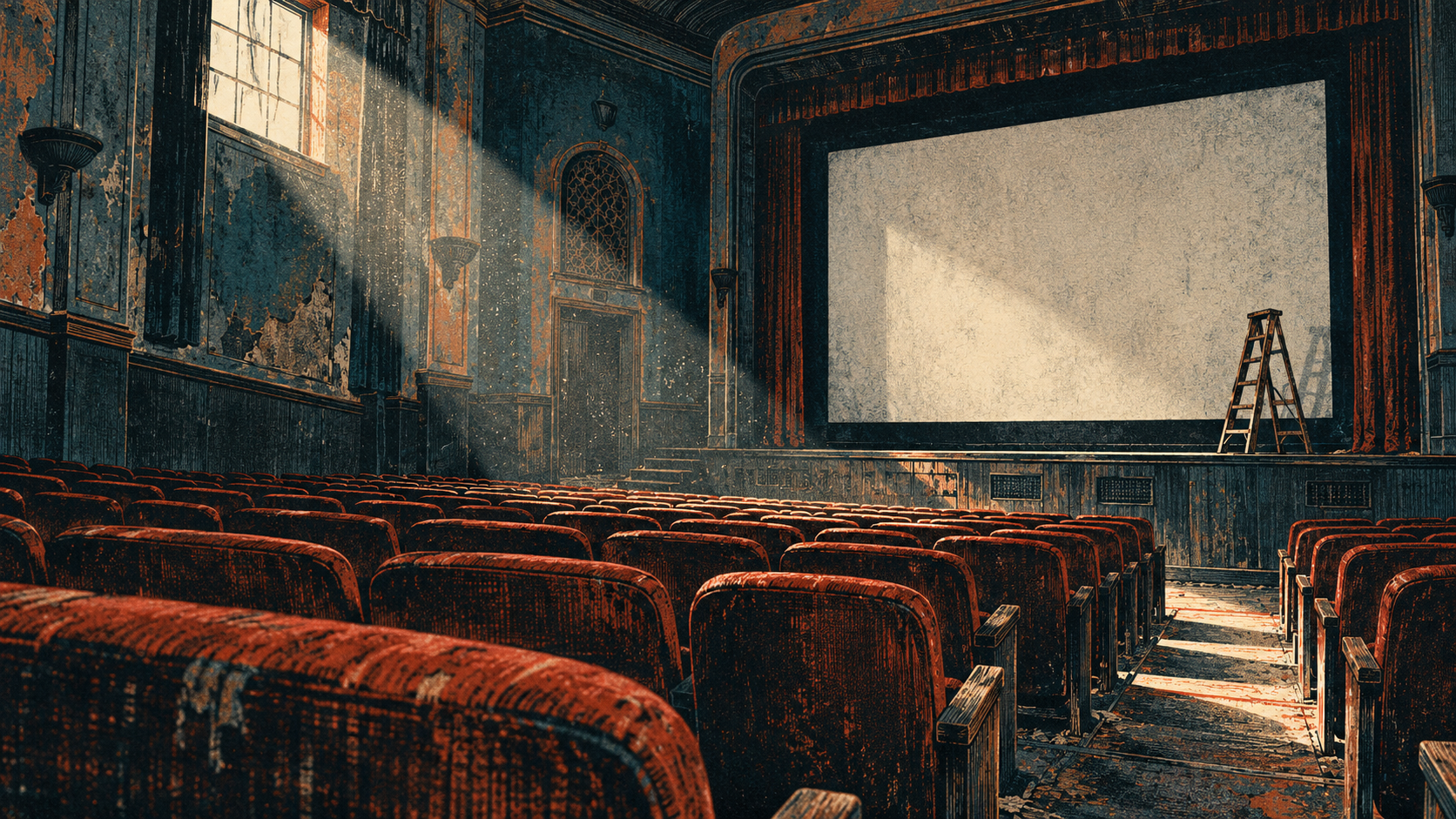
She took the box into the auditorium. The boy followed her. They walked past the rows of seats, which were dusty, and she switched on the light beside the screen. He looked at the floor and thought that she seemed kinder than he had expected.
“Where did you get them?” she asked.
“I found them,” he said.
She knew that he was lying. She was angry because these were precious memories of her father. She wanted him to leave, but she also wanted to know why he had brought them back. For a moment she remembered summer afternoons here, the sweet smell of popcorn and her father checking the doors. The boy shuffled his feet.
“Keep them,” she said eventually.
He smiled. Nell smiled too. She realised that the cinema could live on in other people. Outside, the rain stopped, and everything seemed different.
Strengthen purpose and character choices
The strongest question in this passage is why Nell gives the tickets away. Her decision connects her attachment to her father with the boy's return. At present, the final realisation supplies a meaning that their brief encounter has barely developed.
Choose what you want that gift to express. Perhaps Nell wants to preserve her father's habit of welcoming people. Perhaps she wants to relinquish an obligation. Either reading could support a story, but each needs different evidence. For this revision, we will develop the first possibility.
Give the boy a reason to value the tickets. He might have taken the box while helping clear the building because it contained the ticket from his first visit. Let Nell discover that connection before deciding. Her choice then answers something she has learned during the encounter.
“That one's mine,” he said. “The Saturday with the broken projector. Your dad let us stay while he fixed it.”
Nell found a blue stub beneath his finger. She remembered her father coming home late, pleased that nobody had asked for a refund.
This addition makes the later gift plausible. It also introduces a fact the first draft left open, so check the earlier ownership and theft details against it. A change to motivation often requires small repairs throughout a scene.
Check scene movement and pacing
Summarise each scene in a line, including its consequence. Here: Nell tries to collect her father's possessions, a boy returns his ticket box, and her idea of what to keep changes. If your summary lists movements without consequences, investigate where the pressure develops.
The ten o'clock arrival creates a useful limit, yet the draft forgets it. You could bring it back when Nell hears a car stop outside. That makes her choice urgent. Keep the owner's arrival only if it serves the encounter; an unnecessary clock can promise a race the story never delivers.
The walk into the auditorium also needs a purpose. Perhaps Nell wants to check which seat the boy remembers, or to find the remaining ticket boxes. Otherwise, keeping the conversation in the foyer may concentrate it. Try both versions in saved copies and compare the effect on their exchange.
Finally, give space to the moment of decision. You might shorten the general childhood recollection and let Nell sort through one particular ticket. A pause earns its place when it changes how we understand the next action.
WriteCraft Pro offers optional exercises and personalised feedback if you would like structured practice with choices like these. Bring a passage with a specific revision question and use the response to plan your next version.
Keep viewpoint deliberate
The opening places us near Nell's thoughts. The sentences telling us the boy's worry and private judgement then move inside him. Decide how much access your narrator should have. For this version, we will stay with Nell's limited understanding.
Replace the boy's concealed worry with something Nell can observe: “He held the box against his blazer, leaving both sleeves free to drip.” Give her an interpretation if useful, and allow that interpretation to be mistaken. His later admission can correct it.
“She knew that he was lying” also deserves a question: what tells her? A recognisable label on the box could make the lie apparent. Alternatively, “Found them where?” lets her test his story through dialogue. Both choices give the reader evidence.
For a longer comparison, our guide to avoiding head-hopping in third-person fiction follows one scene through two viewpoints. An omniscient narrator can access several minds, provided that wider scope is established and handled coherently.
Give dialogue something to do
Nell's first answer delivers several facts for the reader. Ask which ones this boy needs at this moment and how willingly she would offer them. Her grief may make her brisk, expansive or unexpectedly practical. Choose speech that fits the person you are developing.

“Are you in charge?”
Nell glanced at the clock. “For another half-hour. What is it?”
The revision conveys her temporary responsibility and impatience. It leaves her father's death to emerge elsewhere, where it can receive proper attention. “Asked nervously” and “replied sadly” become optional once action and phrasing carry a clear response.
Read the conversation without its surrounding explanations. Can you identify what each person wants, where the answer changes the situation and who is speaking? Add an action or attribution wherever the voices become hard to follow. A quiet exchange can still move from evasion towards admission.
Revise sentences and details
With the encounter settled, read for clarity and sound. “Nell felt a feeling of surprise” repeats the same work. A specific response can place us closer: “Nell lifted a ticket by its dry, curling corner.” The precise feeling would come from the surrounding context.
Keep details that suit Nell's attention. Actor photographs could remain if she sees one hanging crooked after her father always kept it straight. The red carpet might earn its place through a damp footprint she must decide whether to clean. Description can reveal habits as well as decorate a room.
Listen for accidental repetition, vague pronouns and a procession of sentences with identical rhythms. Preserve a repeated phrase when its return changes the emphasis. Short sentences can sharpen a decision; longer ones can let a memory gather. Your ear can help you judge the effect.
Test the ending separately. The stopped rain and “everything seemed different” explain a broad emotional change. A small action could leave a sharper impression:
Nell kept the blue ticket. She pushed the box back towards him and opened the door before the next knock came.
This is one possible ending for the revised encounter. It preserves her attachment while letting her share something. Compare it with the tone and implications you want.
Use the short story editing checklist
Copy this plain checklist into your revision notes. Mark each item keep, change or investigate, with a page reference and a reason. A deliberate choice can survive a question.
- Purpose: I can describe the movement or experience the story offers.
- Character: Important decisions follow from a recognisable desire, pressure or discovery.
- Consequences: I can trace what changes after each important encounter.
- Order: Events and disclosures arrive where they have the intended effect.
- Pacing: The decisive moments receive enough space for the reader to follow them.
- Viewpoint: Access to private thoughts fits the narrative approach I have established.
- Dialogue: Speech fits the characters and changes what someone knows, wants or does.
- Detail: Descriptions support the setting, viewpoint or emotional movement.
- Clarity: References, actions and shifts in time can be followed.
- Rhythm: Sentence patterns and repetitions create effects I want to keep.
- Ending: The closing image, action or statement fits what the story has developed.
- Continuity: Names, objects, timings and practical details remain consistent after edits.
For the cinema passage, your first revision note might read: “Develop Nell's reason for sharing the tickets by adding the boy's remembered visit.” Complete that change, then read the whole encounter again. Keep a note of any new continuity questions it creates.
Proofread and choose a stopping point
After the larger changes settle, check spelling, punctuation, missing words and dialogue formatting. Search for names and recurring objects to catch leftovers from earlier versions. In this scene, confirm the time on the clock and who holds the ticket box at each point.
Take a break before a final read if your schedule allows. A changed display or a printed copy may help you notice familiar lines afresh. If you plan to submit, check the destination's current word limit and formatting instructions.
Ask a trusted reader a focused question, such as “At what point did Nell's decision become believable?” Consider their response alongside your aims. This checklist organises your attention; another reader or an experienced editor can still notice effects you have missed.
Stop when the story is coherent, the remaining choices feel deliberate and another pass produces only interchangeable wording. Save the version. You can return with a fresh question later.
The cinema scene develops when Nell has a reason to open the door and a reason to share the box. Your own draft will offer different decisions. WriteCraft Pro provides writing practice and personalised feedback to help you investigate them, one manageable revision at a time.