‘Nia pushed open the office door and sees the blue box.’ The sentence takes a small grammatical leap halfway through. Has the story moved into the present? Is the second action happening at a different time? The reader has to stop and decide.
To keep tense consistent in a story, choose a main tense for the scene, then make each change express a clear time relationship. Earlier events and a character’s spoken words may need different verb forms. The editing task is to give every change a reason. This worked example follows Nia into a railway lost-property office and sorts the events into their proper places.
Choose the scene’s main tense
A scene can unfold in past tense: ‘Nia crossed the platform.’ It can also unfold in present tense: ‘Nia crosses the platform.’ Either choice can carry an absorbing story. Choose the form that suits the narrative voice and keep the scene’s successive actions in that time frame.
Past tense can still feel immediate. A locked box, an impatient clerk and a missing key supply plenty of pressure through the events themselves. Present tense places the telling alongside the action, but it also needs clear signals when the character remembers something earlier.
Write a short note above a troublesome passage: The main scene is in past tense. That gives the edit a reference point. If the surrounding story already establishes a tense, follow it. Changing the whole story’s tense is a separate revision with consequences for earlier events and future plans.
Repair an original passage with accidental shifts
The following fictional passage deliberately contains tense problems. Read it once for the events before correcting the verbs.
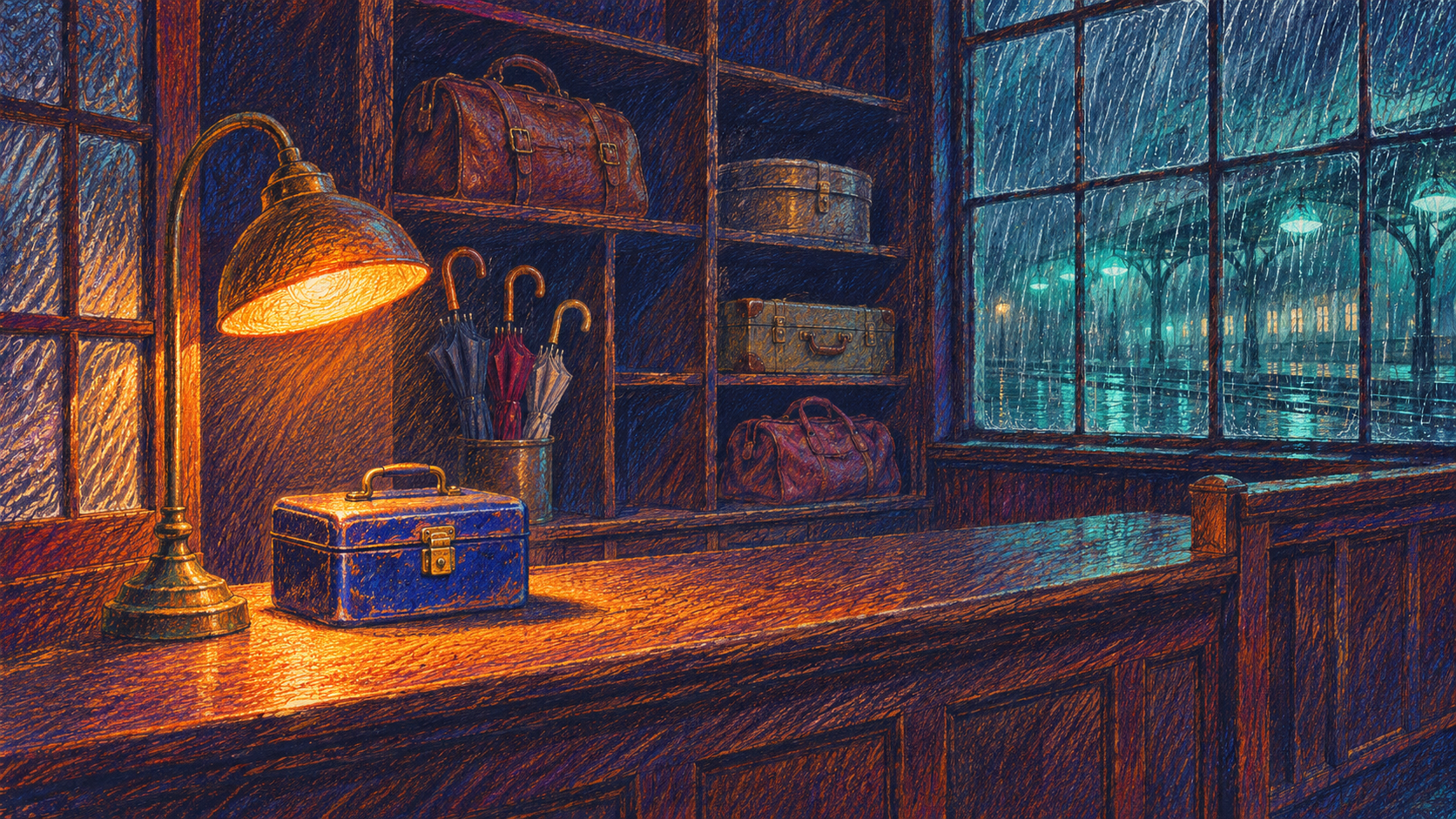
Nia pushed open the lost-property office door and sees the blue tin box on the counter. The clerk was counting a handful of coins. She reaches into her coat, then stopped. The previous evening, she puts the key in the pocket of her other coat. ‘I know where it is,’ she said. The clerk slides the box towards her. She will have to come back tomorrow.
The scene begins in past tense with ‘pushed’. Nia’s arrival, search and conversation belong to the same visit. The key went into a different coat before that visit. Her return lies ahead of it. Those relationships give us this revision:
Nia pushed open the lost-property office door and saw the blue tin box on the counter. The clerk was counting a handful of coins. She reached into her coat, then stopped. The previous evening, she had put the key in the pocket of her other coat. ‘I know where it is,’ she said. The clerk slid the box towards her. She would have to come back tomorrow.
‘Sees’, ‘reaches’ and ‘slides’ become ‘saw’, ‘reached’ and ‘slid’. Each action advances the past-tense scene. ‘Was counting’ stays: it describes an activity already in progress when Nia enters. A consistent passage can contain simple and continuous forms together.
‘Had put’ places the key incident before the office visit. ‘Would have to’ presents the return as future from Nia’s position in that past scene. Her spoken ‘I know’ stays in the present because she is expressing what she knows while speaking.
The revision preserves the original events, including the awkward discovery about the coat. Grammar has clarified the little disaster without rescuing Nia from it.
Handle earlier events and memories
In a past-tense narrative, the past perfect often establishes an event that happened before the main action. Form it with had and a past participle: ‘had put’, ‘had forgotten’, ‘had left’. The participle can differ from the simple past: ‘went’ becomes ‘had gone’.
Compare ‘Nia reached the office after the clerk locked the door’ with ‘By the time Nia reached the office, the clerk had locked the door.’ Both place the locking first. The second explicitly presents a completed action from the later moment of arrival. Time expressions and context work alongside the verbs.
For a brief memory, one past-perfect sentence may do the job: ‘Her father had kept spare buttons in the box.’ For a developed flashback, establish the earlier period clearly. A writer may then use simple past within that established memory, provided the reader can follow the transition. Repeating ‘had’ in every sentence can become cumbersome.
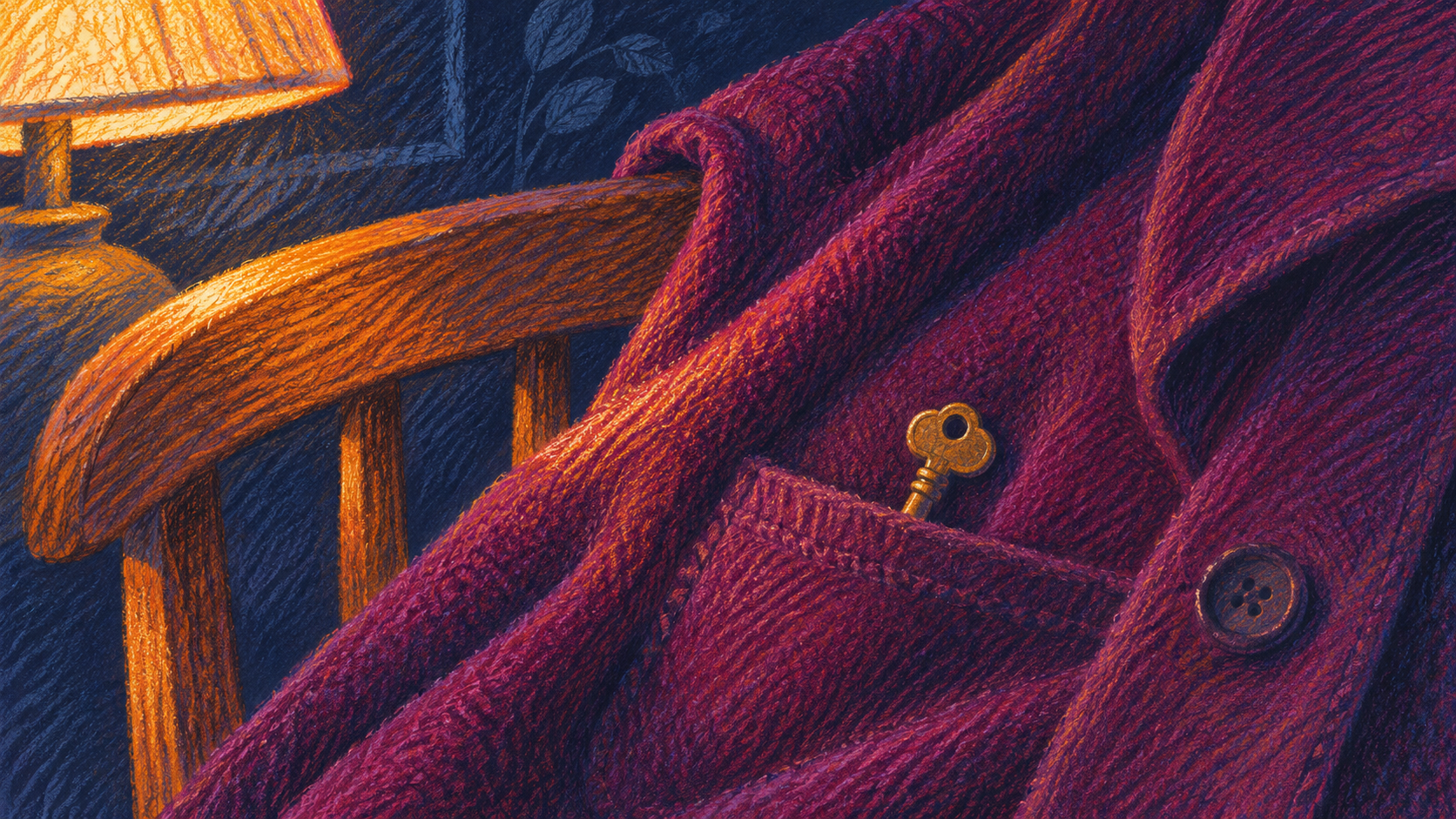
The previous evening, she had searched the kitchen for the key. At last she found it beneath a shopping bag. She slipped it into the plum coat hanging by the door.
Now, at the counter, she pressed her empty pocket flat.
‘Had searched’ and ‘the previous evening’ open the earlier sequence. ‘Found’ and ‘slipped’ continue it. ‘Now, at the counter’ brings us back to the office, where ‘pressed’ resumes the main past-tense scene. Here, ‘now’ identifies the character’s current moment within the story.
Give a longer flashback a visible entrance and return. A paragraph break, a time phrase or an object in the current scene can help orient the reader. Our guide to transitions between scenes explores those changes of location and time in more detail.
If you want practice connecting grammar to a working draft, WriteCraft Pro includes grammar lessons and creative-writing exercises, with personalised feedback on submitted writing.
Which time does the verb belong to?
BEFORE THE VISIT
She had put the key in another coat.
Past perfect looks back from the office scene.
AT THE COUNTER
She reached into her pocket.
Simple past advances the main scene.
‘I know where it is.’
Her speech uses the present for what she knows at that moment.
AFTER THE VISIT
She would have to return tomorrow. The plan is future relative to the past scene.
Editing question: has the time relationship changed, or has the verb wandered away from the scene?
Keep dialogue and future plans clear
Dialogue has its own time reference. A character in a past-tense story can say, ‘I need the key’, ‘I lost it yesterday’ or ‘I’ll bring it tomorrow’. Those forms reflect the character’s meaning at the moment of speech. The surrounding narration can continue in the past: ‘Nia looked at the box.’
When speech becomes an indirect report, the wording often changes: ‘Nia said that she would bring the key the next day.’ Compare that with the direct promise, ‘I’ll bring the key tomorrow.’ The different forms tell the same sequence from different reporting positions.
Keep time words attached to a clear reference point. In close narration, ‘tomorrow’ can express Nia’s perspective during the office visit. A more distant narrator might choose ‘the next day’. Read the surrounding paragraph and check whose sense of time the wording follows.
Present-tense fiction also needs earlier events. ‘Nia sees the box. She left the key at home last night.’ The simple past fits a completed event at a specified earlier time. ‘She has left the key at home’ connects the earlier action with her present predicament. Choose the form that expresses the intended relationship.
An intentional change of the main narrative tense can serve a larger structural purpose, such as separate sections told from different times. Establish the new frame clearly and sustain it. An isolated present-tense verb in an otherwise past-tense action sequence usually gives the reader too little information to recognise a deliberate design.
Try a time-reference exercise
Keep this new scene in past tense. The ticket purchase happened before the platform visit. Complete the brackets, then explain each choice.
Owen [wait] beside the station gate. He [buy] the ticket online the night before. ‘The train [leave] in ten minutes,’ he said. A bell [ring], and he [lift] his bag. He knew he [need] the ticket again when he reached the next station.
A workable answer is: ‘Owen waited beside the station gate. He had bought the ticket online the night before. “The train leaves in ten minutes,” he said. A bell rang, and he lifted his bag. He knew he would need the ticket again when he reached the next station.’
‘Waited’, ‘rang’ and ‘lifted’ belong to the main sequence. ‘Had bought’ makes the earlier purchase explicit. In the dialogue, ‘leaves’ presents the timetable from Owen’s speaking moment. ‘Would need’ looks forward from his past-tense knowledge. ‘Reached’ fits the later event within that reported expectation.
‘Was waiting’ is also a sensible opening if you want to establish an ongoing situation. ‘Is leaving’ can work in the dialogue as a present continuous form referring to a planned departure. Explain the time relationship behind your choice before judging the answer by its ending alone.
Make a final tense pass
Read only the verbs in one scene and label their jobs: current action, earlier event, ongoing activity or a character’s speech. Investigate each unexpected change. Then read the complete passage aloud, including its time phrases, to hear whether the sequence is easy to follow.
Give particular attention to the first sentence after a memory. A clear return lets the reader settle beside the character again. Once the time relationships hold together, the blue box can go back to being mysterious and the grammar can get on with its quieter work.
Practise the same edit on a paragraph from your own story: establish its main tense, mark one earlier event and check the return. WriteCraft Pro offers further grammar and creative-writing practice as you develop that draft.