A good short-story opening gives the reader something concrete to follow and a reason to continue. That might be a person making a mistake, a difficult reply or a detail that feels slightly wrong. If you are working out how to start a short story, try several entry points into the same situation. Each will suggest a different sort of reading experience.
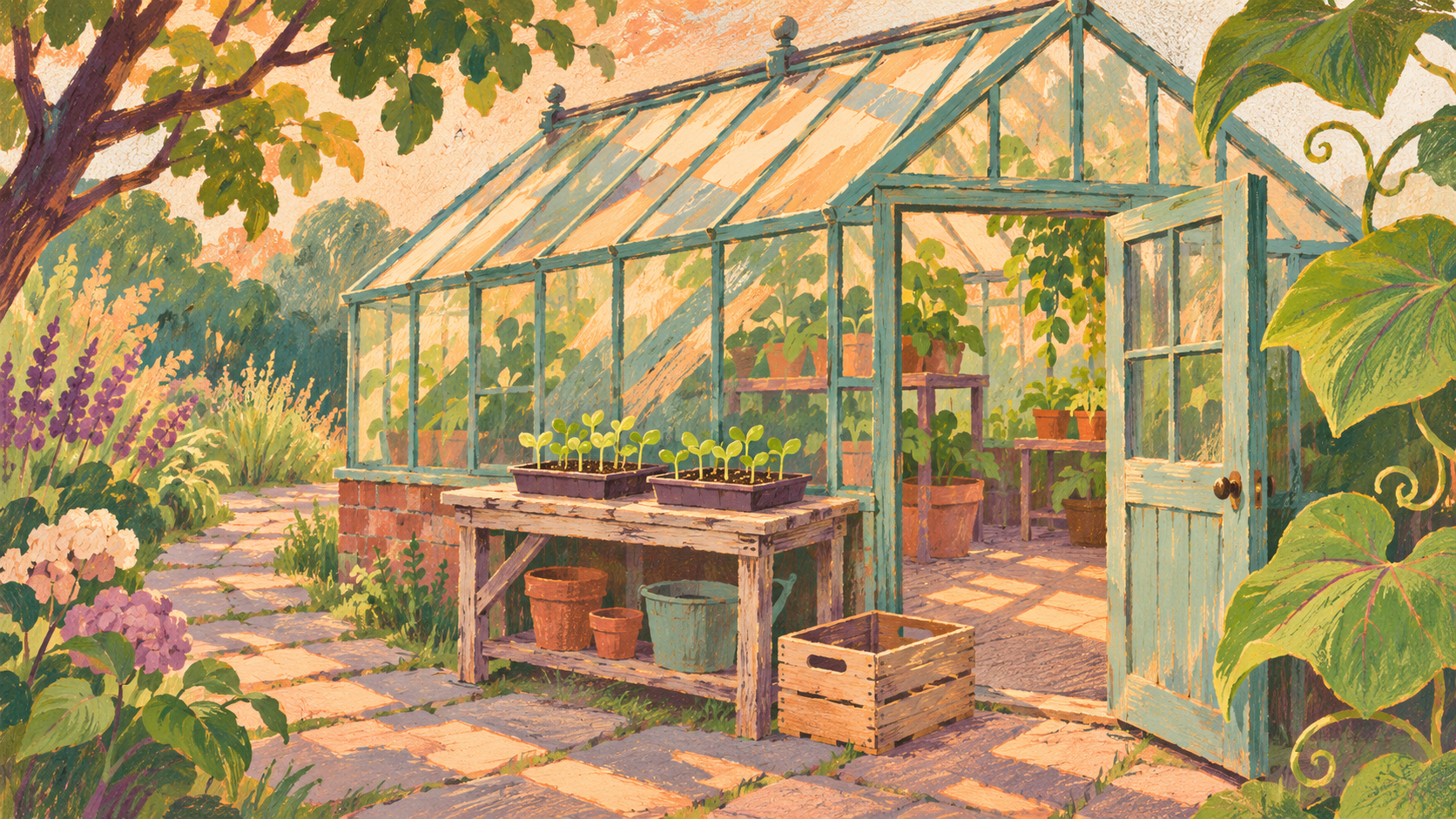
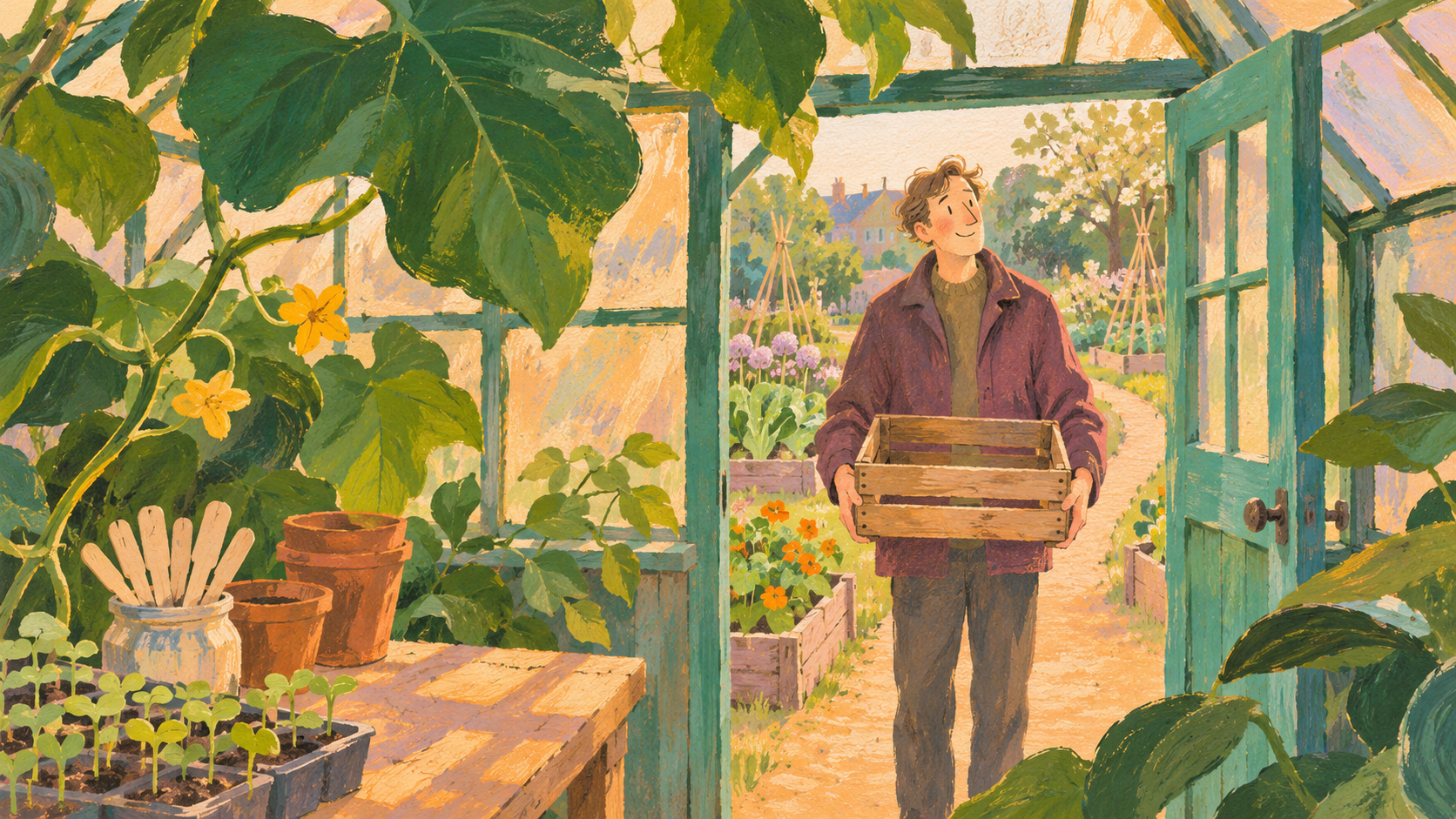
The five original openings below share one premise: Salma has wiped the colour names from two trays of flower seedlings at a community greenhouse. Idris is coming to collect the white flowers for his daughter’s wedding. Salma wants him to trust her, and she can no longer tell which tray is his. We will change what the reader encounters first, then examine the expectations each version creates.
What should a first paragraph establish?
Give readers enough orientation to picture the moment. A named character, a recognisable place and an immediate concern often provide a useful footing. In our greenhouse, the trays supply the place and task, while Salma’s mistake supplies pressure. The wedding explains why the colour matters.
These details can arrive gradually. An opening paragraph has limited room, so choose information that helps the reader understand the next action. Salma’s full volunteering history can wait. Her wish to appear dependable becomes useful as soon as she considers bluffing.
The opening also establishes a voice and an apparent pace. A sharp exchange invites close attention to conversation. A patient description invites readers to notice. Both can hold interest when something in the passage gives that attention a direction. Your opening begins teaching the reader how to read this particular story.
Five openings for the same idea
These are alternative first paragraphs, each followed by a possible direction. They overlap in technique: an action opening can have a strong voice, and a descriptive opening can contain tension. Use the labels to help you experiment.
1. Begin with the mistake happening
Salma rubbed the second wooden label clean before she noticed the first one lying beside it. Two pale sticks. Two trays of seedlings. Across the greenhouse glass, Idris’s reflection lifted a hand in greeting. She put the cloth down over both labels.
The cleaning action causes the problem on the page. We see Salma recognise it and conceal the evidence before she speaks. That last movement raises a useful question about her behaviour: will she admit what she has done?
This version moves quickly and gives the next paragraph an obvious job. Idris can enter, or Salma can make a first attempt at explaining. Its trade-off is compressed context. Add the wedding and the importance of white flowers soon, so the reader understands the cost of her hesitation.
2. Open with a reply under pressure
‘You’re certain these are the white ones?’ Idris asked. Salma stood between him and the greenhouse bench, holding the empty crate he had brought. Behind her, two trays of seedlings caught the morning light. ‘You said the wedding was Saturday,’ she replied.
Yes, a short story can start with dialogue. Here the opening question concerns a specific object, and the narration quickly identifies the speaker, place and situation. Salma’s evasive answer reveals that she has heard exactly what he asked.
The conversation gives us social pressure immediately. We have less access to the original mistake, so a later sentence needs to establish it. Continue with a small action or another pointed reply; a long explanatory flashback here would interrupt the exchange the opening has just made interesting.
3. Start with a detail that needs explaining
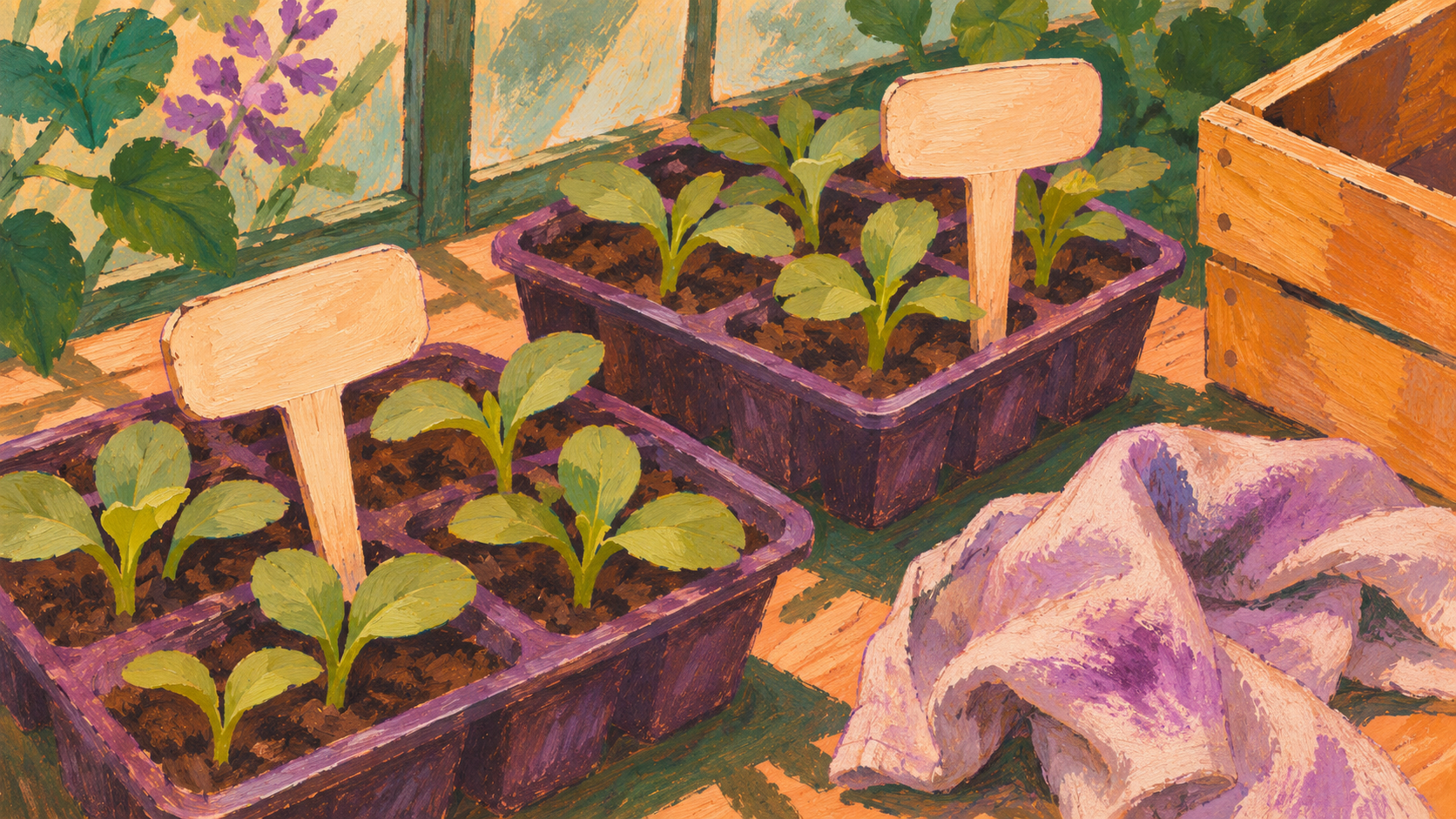
Only the cloth still knew the colours: a purple streak near one corner, a watery grey where Salma had rubbed away WHITE. On the community greenhouse bench, the two wooden labels lay clean beside their trays. Idris would arrive with his crate at ten.
The stained cloth makes an ordinary task feel consequential. We understand that information has disappeared, and the arrival time gives the description a forward direction. The personification in the first sentence also introduces a gently rueful tone.
This approach allows a quieter opening. Its risk is staying with the objects for too long. Once the image has done its work, move Salma towards a decision. Another paragraph describing condensation and terracotta pots would postpone the human problem.
4. Let the narrator’s voice make the invitation
I had volunteered at the greenhouse for eleven months before anyone trusted me with a wedding. By ten that morning, I had reduced the bride’s white flowers and somebody else’s purple ones to two trays of identical-looking leaves. Idris was bringing his own crate. That detail seemed especially trusting.
The first-person voice gives the mistake a wry framing. Salma counts her months of service, then notices the generosity that makes confession harder. The reader can hear how she judges herself.
This version changes the narrative viewpoint as part of the experiment. It offers direct access to Salma’s account, while leaving room to question how fairly she presents herself. The trade-off is distance from the immediate scene: she has already summarised the error. Follow with Idris’s arrival to bring the telling into an encounter.
To practise carrying this sort of voice beyond an opening, WriteCraft Pro includes creative-writing lessons and exercises with personalised feedback on submitted work.
5. Enter at the last chance to speak
Idris had one foot outside the greenhouse when Salma caught the handle of his crate. The seedlings trembled between them. He looked down at her hand, then back at her face. Beyond his shoulder, the gate stood open. She had let him thank her twice.
This begins after Salma has already allowed Idris to take a tray. Her hand creates a physical pause, and the repeated thanks give it emotional weight. Readers want to hear the words she is finally preparing to say.
You gain immediacy by entering late, but you have also used up the earlier opportunities for evasion. A compact sentence about the erased labels can provide context as she speaks. If the story’s real interest lies in her prolonged attempts to hide the mistake, an earlier opening gives that struggle more room.
Compare the expectations you create
Read the paragraphs as invitations. Which part of the situation does each ask the reader to watch? The scorecard below names the follow-through each opening needs. These editorial judgements apply to our examples; your own story may create different expectations.
What does your first paragraph owe the second?
Same greenhouse. Five different reasons to keep reading.
01 / THE MISTAKE
We see the labels disappear.
Next: let Salma react to Idris’s arrival.
02 / THE EXCHANGE
We hear her dodge a precise question.
Next: keep the pressure in their conversation.
03 / THE TRACE
The stained cloth reveals lost information.
Next: connect that detail to a choice.
04 / THE ACCOUNT
Salma tells the mistake in her own voice.
Next: bring her account into a live encounter.
05 / THE INTERRUPTION
She stops Idris at the threshold.
Next: give her something consequential to say.
Repair confusion and empty suspense
A reader can be curious about a clear situation. They need enough information to form a meaningful question. ‘She saw it and knew everything had changed’ withholds the object, the discovery and its consequence. Giving us the wiped labels makes the uncertainty specific.
Check the scale of the promise, too. A sinister noise behind the greenhouse would suggest a different kind of story. If the action that follows concerns a neighbour’s trust, choose details and language that make that relationship interesting. A hook should belong to the story you intend to tell.
Keep the opening provisional while drafting. Later scenes may reveal that the strongest starting point is a paragraph further down. Our guide to four endings for one short-story scene offers a companion exercise in deciding what a final paragraph settles. Reading your opening beside your ending can reveal whether they attend to the same central concern.
Try the opening rewrite task
Choose one small, consequential situation of your own: somebody must return a borrowed object, explain a missed promise or correct a mistake. Write down the central concern in one sentence. Keep it unchanged during the following experiment.
- Write an opening of 40–70 words beginning with an action.
- Write another beginning with speech, then a third led by a concrete detail.
- Try a voice-led account and an opening from a later moment.
- Under each, name what the reader knows and what they are likely to wonder.
- Continue your two strongest versions for another paragraph each.
For a self-check, ask someone to read an opening and describe the scene they pictured. Ask what they expect to happen next. A useful answer for our second example would identify Salma’s evasion and anticipate Idris pressing for reassurance. If the reader imagines a dispute over payment, inspect which words created that impression.
Choose an opening you can continue
Keep the version whose next paragraph develops the interest you have created. A memorable sentence earns its place when it leads into the story’s particular pressure. For Salma, that pressure lies in the space between accepting somebody’s trust and admitting an error.
Testing several beginnings gives you useful material to revise. WriteCraft Pro offers further practice with description, character and dialogue, alongside personalised feedback to help you consider your next draft.