If you are wondering how to avoid starting sentences with I, begin by looking at what each sentence asks the reader to notice. Let a sound, an object or another character take the opening when that detail deserves attention. Keep “I” where the narrator makes a choice or offers a revealing judgement.
First-person writing needs a speaking presence. A paragraph can lose its personality when every trace of that presence is scrubbed away. The useful revision question is: where does the attention belong?
Keep an “I” that earns its place
“I” is an ordinary, useful subject in fiction and memoir. It identifies who acts and gives a narrator room to admit, misunderstand or remember something. “I lied” places responsibility plainly. An elaborate substitute could weaken the admission.
Repeated openings can also create a deliberate pattern: “I packed the cups. I folded the blanket. I left his coat on the hook.” The repeated subject holds the speaker in view while that last action acquires weight. Read the passage aloud before changing it. Listen for an accidental plod or an intentional insistence.
There is no useful quota for how often a first-person narrator may say “I”. Judge the rhythm and emphasis of the paragraph you have.
Revision one: bring the scene into view
All passages below are original fictional teaching examples. Here is a narrator entering a greenhouse:
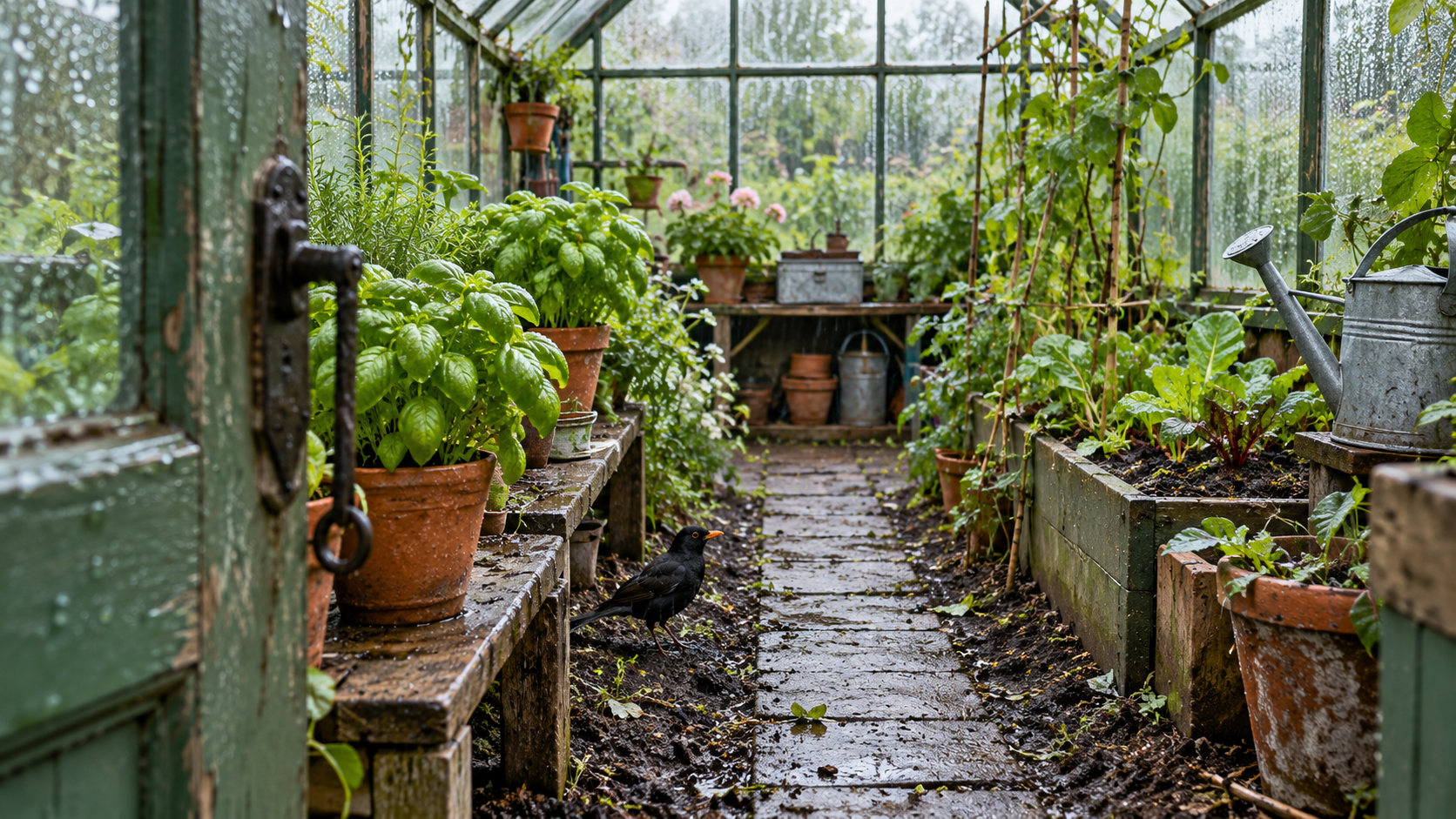
I pushed open the greenhouse door. I saw a blackbird beside the path. I could smell the basil on the bench. I noticed that the latch had been bent. I decided to leave the door open.
Each sentence begins with the narrator reporting an action or perception. The repeated reporting makes the scene arrive in equal little parcels. Try giving its details some space:
I pushed open the greenhouse door. Beside the path, a blackbird stood on the damp soil. Basil scented the air above the bench. The latch had been bent. I left the door open.
The opening and closing “I” sentences keep the narrator’s actions clear. Between them, the bird, basil and damaged latch become the subjects. “Beside the path” locates the bird immediately. The paragraph stays in first person because these observations belong to the established narrator’s experience.
“I saw”, “I heard” and similar phrases are often called filters: they present a perception through an explicit act of noticing. Removing one can put its object directly before the reader. That is a choice about focus. “I finally heard the alarm” would emphasise the moment of hearing, which could be exactly what a scene needs.
The revised final sentence also makes the decision an action. Keep “I decided” when the deliberation itself needs emphasis. If you want further practice with physical detail, try weaving description into a character’s actions.
Revision two: give memory and reflection different jobs
A memoir-style paragraph can use concrete observation alongside the older narrator’s interpretation. This invented example illustrates the technique; it makes no claim about a real person’s memories.
I remember my aunt’s kitchen on Saturday mornings. I remember the yellow tomatoes in her blue colander. I thought her careful washing meant she expected important visitors. I know now that she took the same care when she was eating alone.
The repeated “I remember” could suit a longer piece built around recollection. Here, a direct opening gives the kitchen a stronger presence while keeping the change in understanding:
On Saturday mornings, yellow tomatoes filled my aunt’s blue colander. She washed each one carefully. At the time, I thought she expected important visitors. I know now that she took the same care when she was eating alone.
The time phrase opens a remembered scene; “she” then allows the aunt to act. The last two sentences distinguish the younger person’s assumption from the present narrator’s understanding. Removing “I thought” would turn an assumption into a flat statement that visitors were expected, changing the meaning.
In your own memoir, preserve what you can honestly recall and qualify uncertainty where it belongs. A smoother sentence gives you no licence to add a convenient remembered detail.

Working through alternative openings can help you hear which version carries your meaning. Explore further writing practice with WriteCraft Pro.
Choose the focus before the opening
A time or place phrase can orient the reader. Another character can become the subject when they do something. A direct observation can carry a detail the narrator would naturally notice. Use the opening that helps the sentence do its job.
You can also move a useful clause forward: “When the gate clicked, I stopped.” The opening establishes the trigger before the response. Compare that with “I stopped when the gate clicked”, which leads with the narrator’s movement. Both are grammatical; the surrounding scene determines which order carries the moment best.
Keep the narrator’s access to information consistent as you change subjects. “Mara folded the towel” describes an observable action. “Mara secretly wished I would leave” claims knowledge of her private thoughts. An opening can vary while the limits of what the narrator knows remain clear.
SENTENCE FOCUS
Where does attention land?
I noticed the latch was bent.
The act of noticing leads. Useful when discovery is the event.
The latch was bent.
The damaged object leads. Useful when the detail needs attention.
I left the door open.
The narrator’s action leads. Useful when the choice moves the scene.
Avoid forcing variety through awkward inversion. “Through the door went I” draws attention to its own gymnastics. Passive voice can be useful, but “The door was opened by me” is a cumbersome substitute when the narrator’s action is straightforward. Also check an opening such as “Crossing the yard, the greenhouse came into view”: the grammar accidentally sends the greenhouse walking.
Practise with a late arrival
Revise this paragraph without changing its events. Keep the narrator responsible for what they do, and retain the final judgement.
I reached the swimming pool after closing time. I saw that the lights were still on. I heard a bucket scrape behind the reception desk. I waited beside the locked turnstile. I thought I could explain about the lost watch.
One possible revision
Compare your choices with this version:
I reached the swimming pool after closing time. The lights were still on. Behind the reception desk, a bucket scraped across the floor. I waited beside the locked turnstile. Perhaps there was still a chance to explain about the lost watch.
The lights and sound now enter directly. “I waited” keeps the narrator’s behaviour clear. “Perhaps” carries the hopeful judgement without guaranteeing that an explanation will be heard. Another good version might keep “I thought” to make that private hope explicit. Read both aloud and choose the one that sounds like your narrator.
As you revise your own page, underline repeated openings, check what each sentence emphasises and keep the versions that carry the voice. A narrator can step back for a sentence and still be unmistakably there.
Try the same paragraph with a hesitant voice, then a brisk one. That comparison gives you something specific to practise as you develop your writing with WriteCraft Pro.